Introducing the team Ecotoxicology of aquatic ecosystems :
Managers : Alexia Legeay and Jérôme Cachot
The EA team, which is bi-located on the Pessac University campus and the Arcachon Marine Station, conducts research to better understand, characterize and assess the contamination of aquatic organisms (from algae to fish) by pollutants (both historical or emerging); The team investigates their mechanisms of action and the potential effects various levels of biological organization, from genes to communities. This research also explores different biotic and abiotic environmental stressors (through a ‘multi-stress’ approach) combining field studies and controlled laboratory experiments. To adopt a comprehensive perspective on its research themes, the EA team relies on multidisciplinary expertise in ecotoxicology, ecology, molecular biology, physiology, chronobiology, epigenetics, developmental biology, microbiology, ethology and zootechnics.
Research areas and themes
AXIS 1: Molecular responses and transmissible effects of contaminants
Coordinator : Patrice Gonzalez
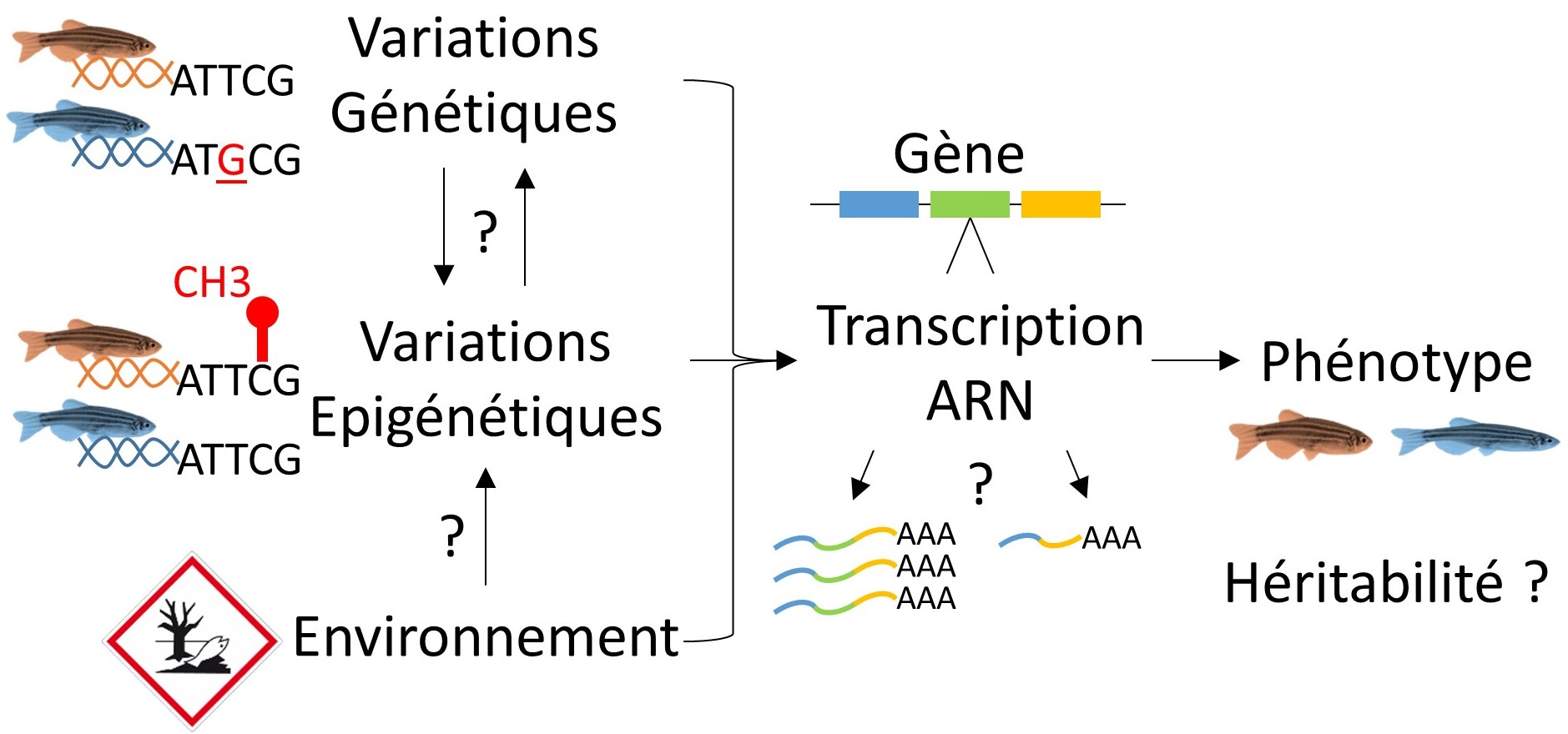
Study of pollution-induced changes, including at multi/trans-generational effetcs, in gene activity and associated impacts on organisms concepts and methods from various disciplines: including genetics (SNPs), epigenetics (DNA methylation, non-coding RNAs) and transcriptomics (messenger RNAs, splicing).
AXIS 2: Mechanisms and disturbances of rhythmic and physiological activities
Coordinator : Damien Tran
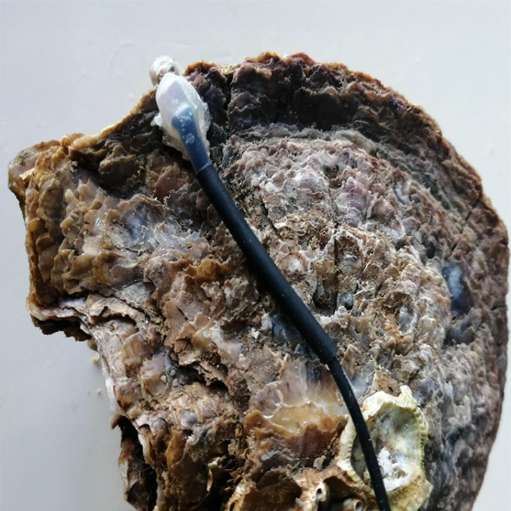
Using marine chronobiology approaches, this research investigates environmental disturbances caused by contamination related to anthropogenic changes (e.g. light and/sound pollution) and climate changes (e.g. marine heat waves). It also includes the development of an on-board biosensor, HFNI valvometry, to assess ecosystems health through the behaviour and biological rhythms of bivalves.
AXIS 3: Study of the effects of pollutants on vulnerable or threatened species and early stages of development
Coordinator : Bénédicte Morin
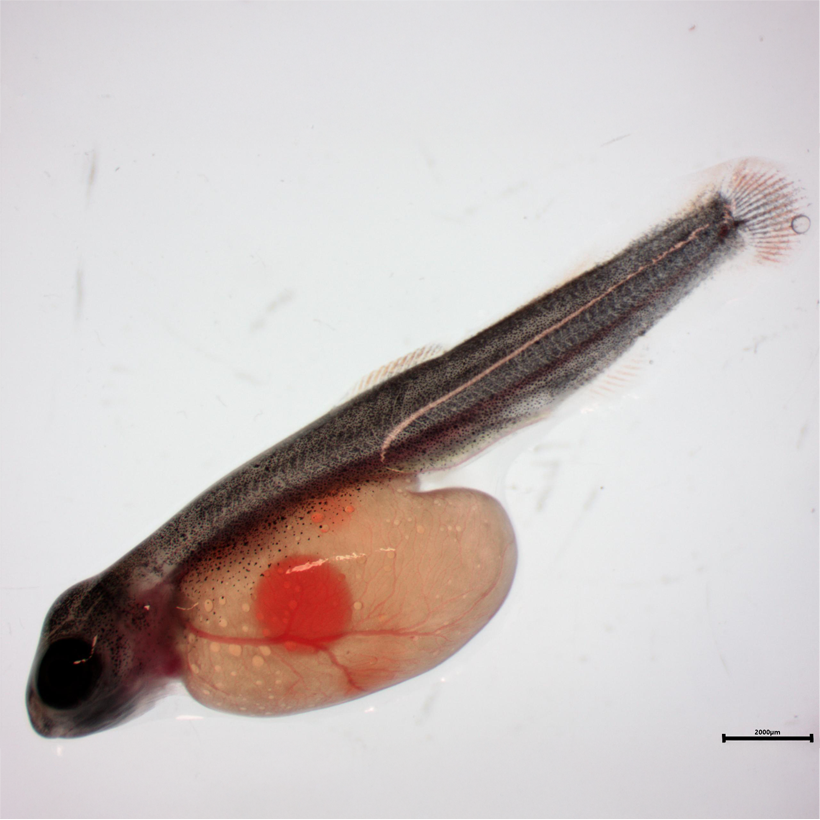
Studying the adaptive or deleterious responses of vulnerable aquatic species or sensitive life stages to pollution or environmental quality changes. This research includes the development of new bioassays and toxicity biomarkers for early life stages and cell lines.
AXIS 4: Integrative study of environmental stress factors in complex systems
Coordinator : Magalie Baudrimont
Integrative study within a ‘One Health’ framework on the mechanisms of bioaccumulation, biomagnification along food webs, as well as the impact of contaminants from the gene to the community level and their associated risks for humans. This research, controlled laboratory approaches (micro/mesocosms) and in situ studies, incorporating multiple stress conditions.
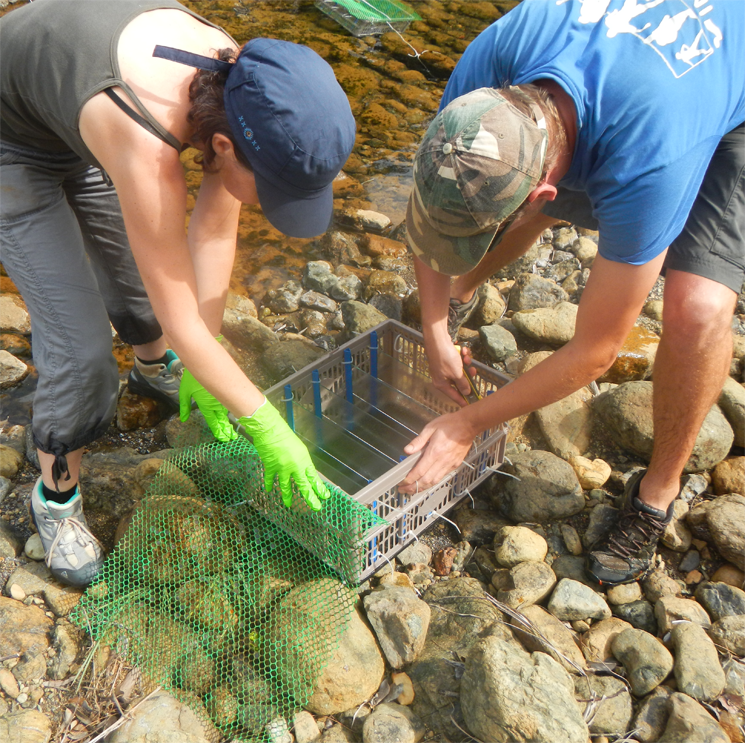
Equipments / Resources
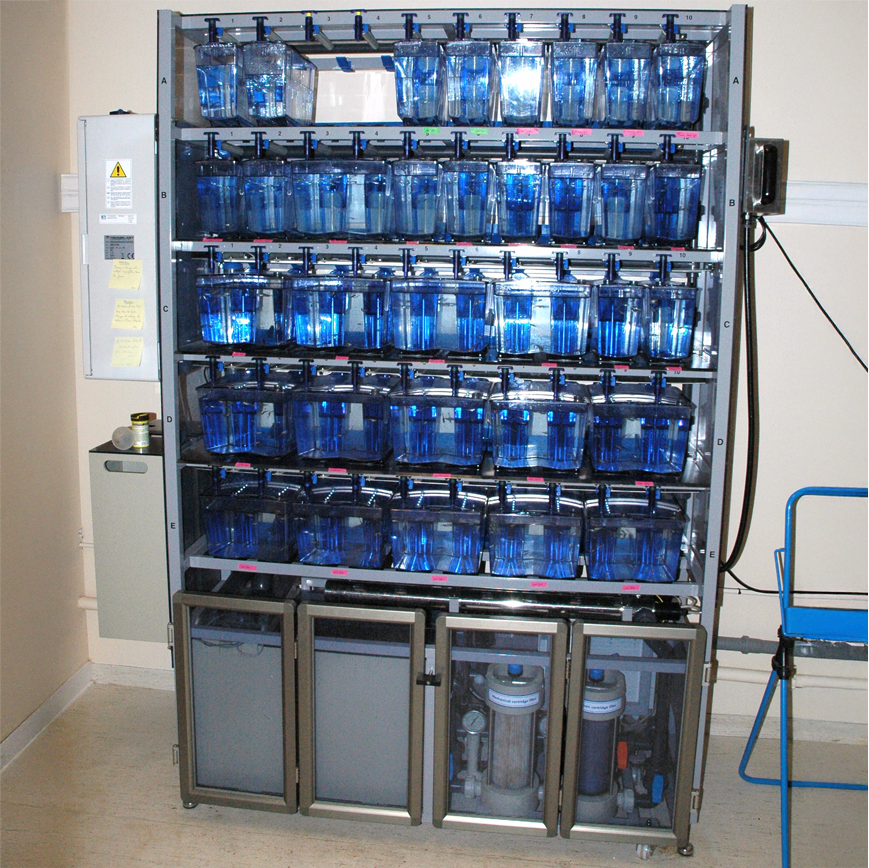
- Breeding and experimental facilities for freshwater and marine species.
- Photonic microscopy with image analysis system, epifluorescence and electron microscopy.
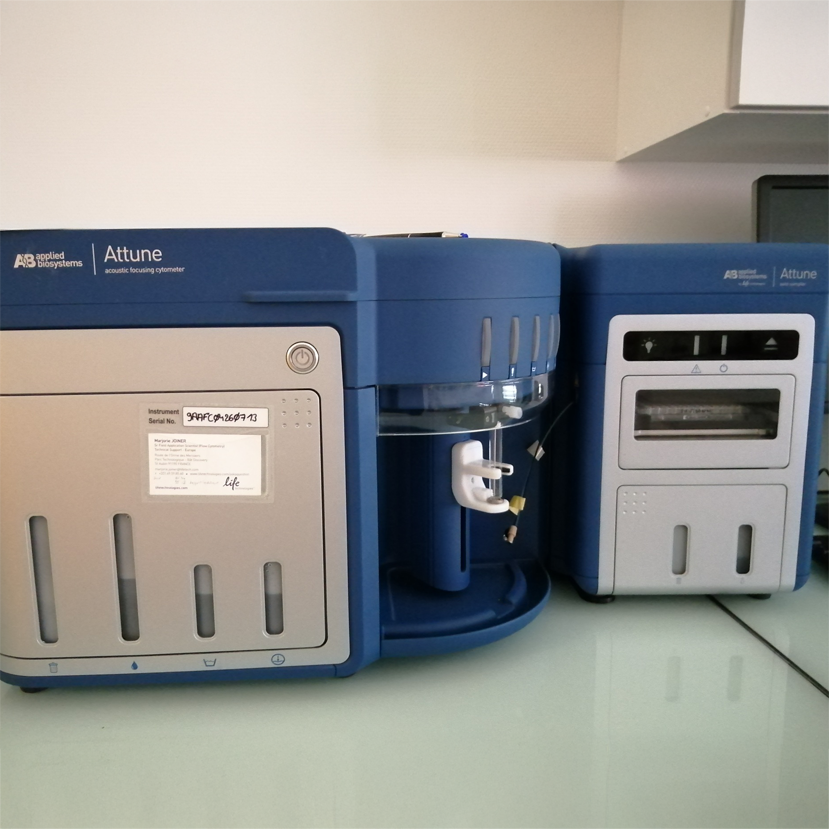
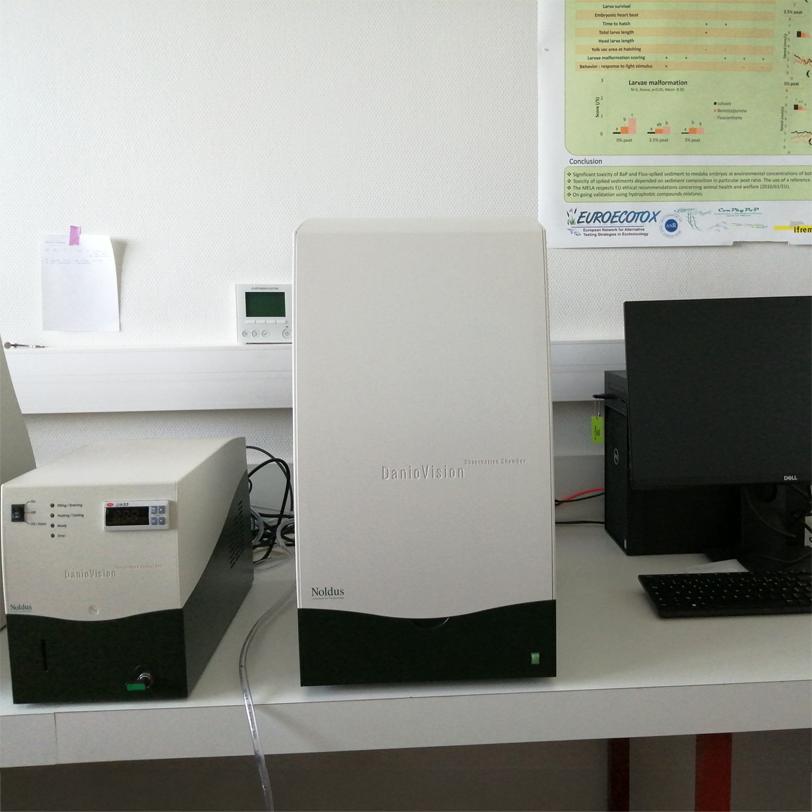
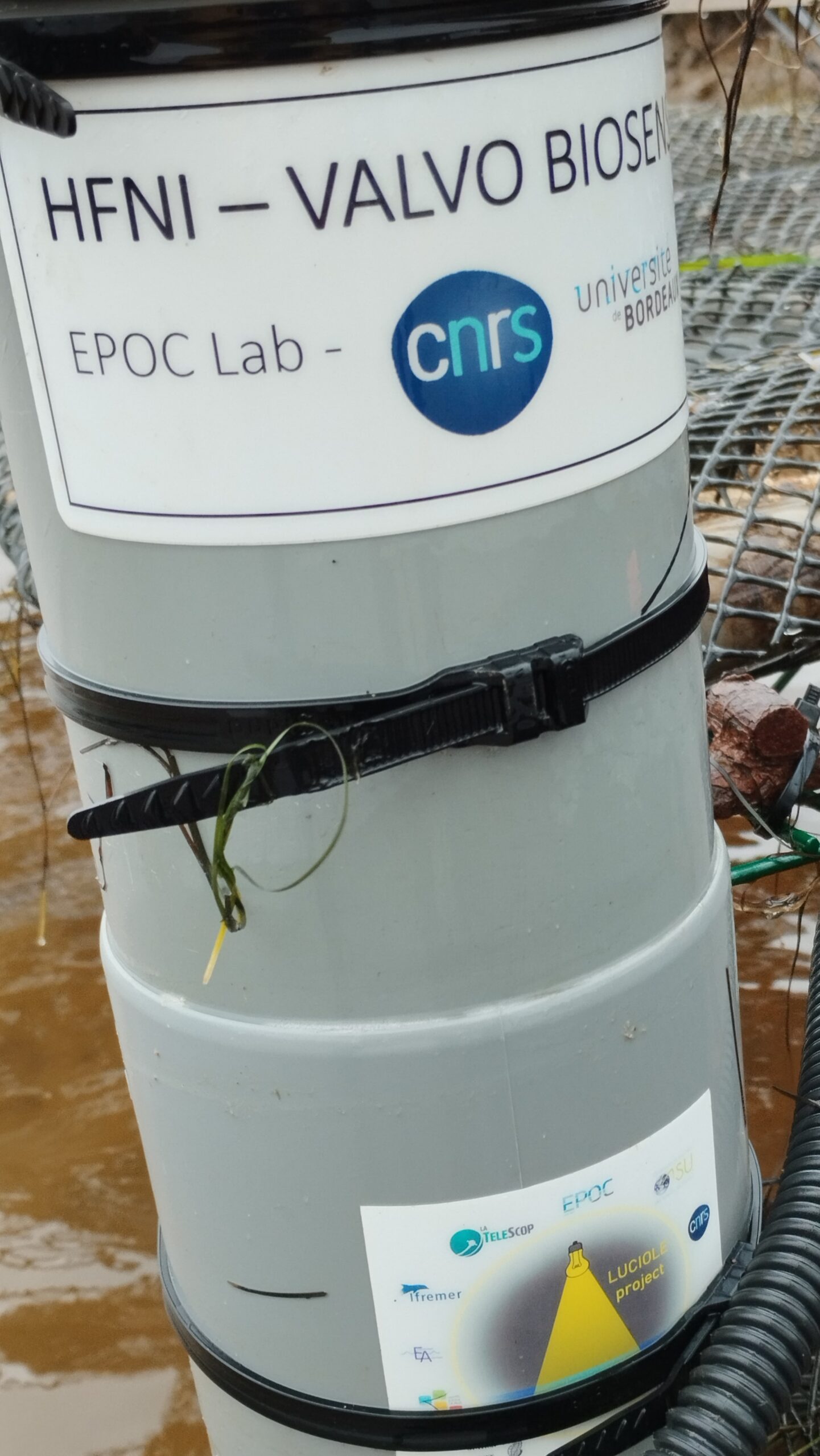
- Behaviour analysis system (DanioVision) and HFNI valvometry.
-
-
Molecular (RT-qPCR), biochemical and physiological biomarker analysis system.
- Cell culture facility.
- Molecular Biology platform.
- Major & Trace Metals (M&Ms) analytical chemistry platform
-