
CDTA
Centre for Development and Analytical Transfer
The CDTA is a technology transfer unit of the Université de Bordeaux, attached to the Environmental Physics and Toxicochemistry Team (LPTC) of the EPOC (Environnement et Paléoenvironnements Océaniques et Continentaux, CNRS/Université de Bordeaux, INP, EPHE) joint research unit. The CDTA provides services, studies and expertise in the analysis of organic micropollutants in the environment on behalf of various partners.
The CDTA’s major areas of specific expertise include the study of water contamination by emerging contaminants (pharmaceutical substances) and pesticides, and considerable expertise in the field of passive samplers, which can be used to analyse trapped organic pollutants and report on pollution averaged over time. The CDTA also has extensive experience in the field of ultra-trace analysis, developing specific methodologies for characterising concentrations of ppt and ppq (e.g. pesticides, PFAS, chlordecone, bisphenols). The CDTA relies on the Plateforme de chimie analytique organique environnementale (PLATINE) accredited by the University of Bordeaux (UB) and associated with the Réseau Géochimique et Expérimental Français RéGEF via its network of specific instruments GEOF (Géochimie Organique Française).
Platine is a multi-instrument platform combining sample preparation and mass spectrometry analysis. It provides support and technical and scientific expertise for CDTA projects.
Manager
Scientific leader
Hélène Budzinski
Scientific leader
Sylvie Augagneur
Expertises
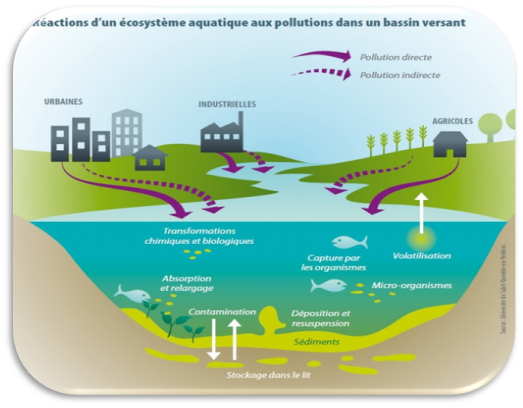
Expertise : Characterisation of the organic ultra-trace pollution
1.Targeted quantitative ultra-trace approaches :
- Historical organic compounds (‘HAPs’, ‘PCBs’, organochlorine pesticides, etc.).
- Compounds of emerging interest (pharmaceuticals, pesticides, PFAS, biocides, cosmetics, etc.).
- Compounds with biological effects (endocrine disrupters, etc.).
2. Unconventional approaches :
- Global xenometabolomic analysis.
- Characterisation of unknown and/or unregulated compounds (transformation products, etc.).
Areas of activity
Water
-
Natural environment: fresh water (rivers, lakes, streams, etc.), transitional water (estuary, lagoon, etc.), marine water.
-
Urban and man-made environments: rainwater, wastewater, water from wastewater treatment plants.
Solid
-
Particles.
-
Sediment.
-
Sludge.
-
Soil.
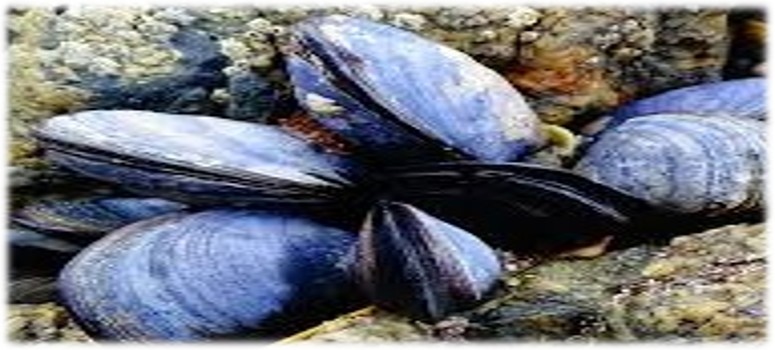
Biota
-
Plankton.
-
Fish.
-
Birds.
-
Mammals.
Air
-
Gas/particulate phase.
-
Organic aerosols.
Our services
Sampling
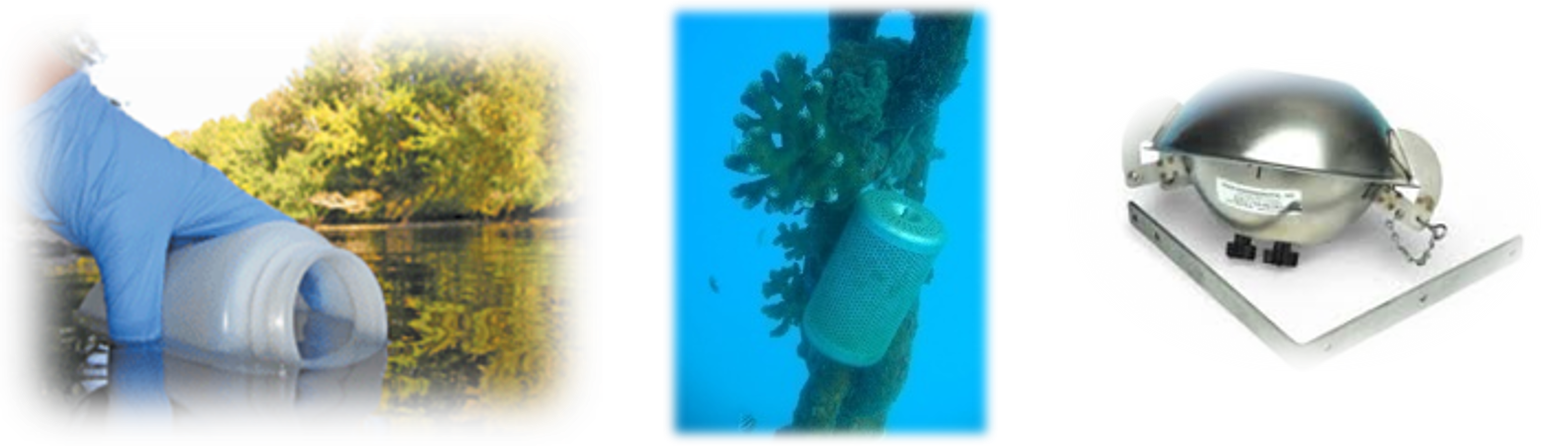
- Conventional active sampling.
- Passive samplers: air, water, soil.
Determination of micropollutants
- Measurement, dosage and interpretation.
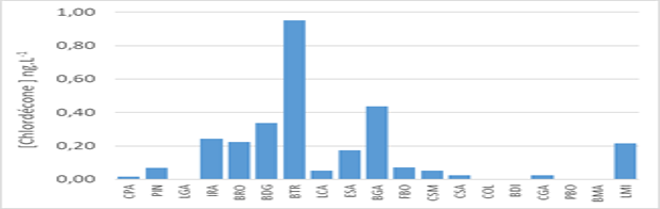
- Monitoring organic contamination at ultra-trace levels (ng/L, pg/L, ng/kg).
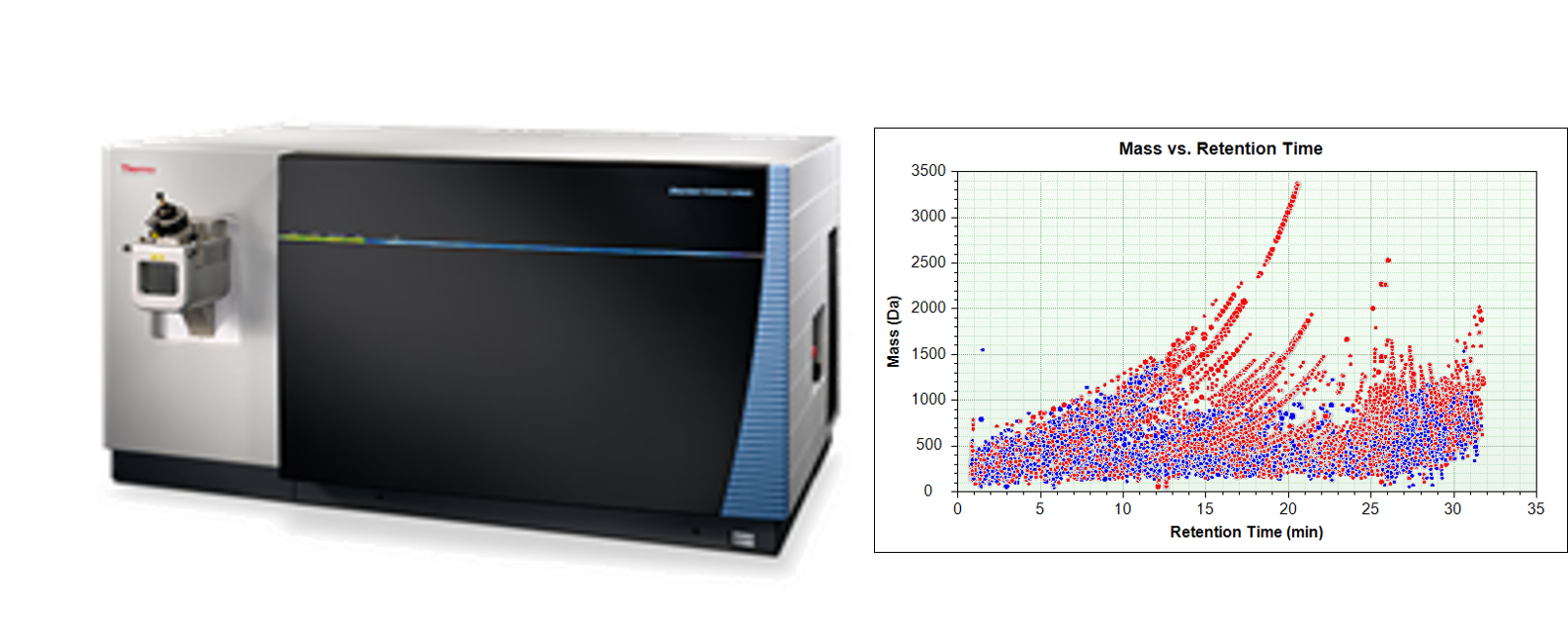
Detection and identification of micropollutants
- Targeted and suspect analyses.
- Non-targeted screening.
- Search for unknown micropollutants.
- Biologically active compounds.
- Effects-oriented analysis.

Support, coaching and training
- Sampling/research support.
- Decision-making support.
- Scientific oversight.
- Interpretation of results (e.g. study reports, statistical analyses, etc.).
- Practical training (sampling, extraction, analysis, data processing).
Instruments
-
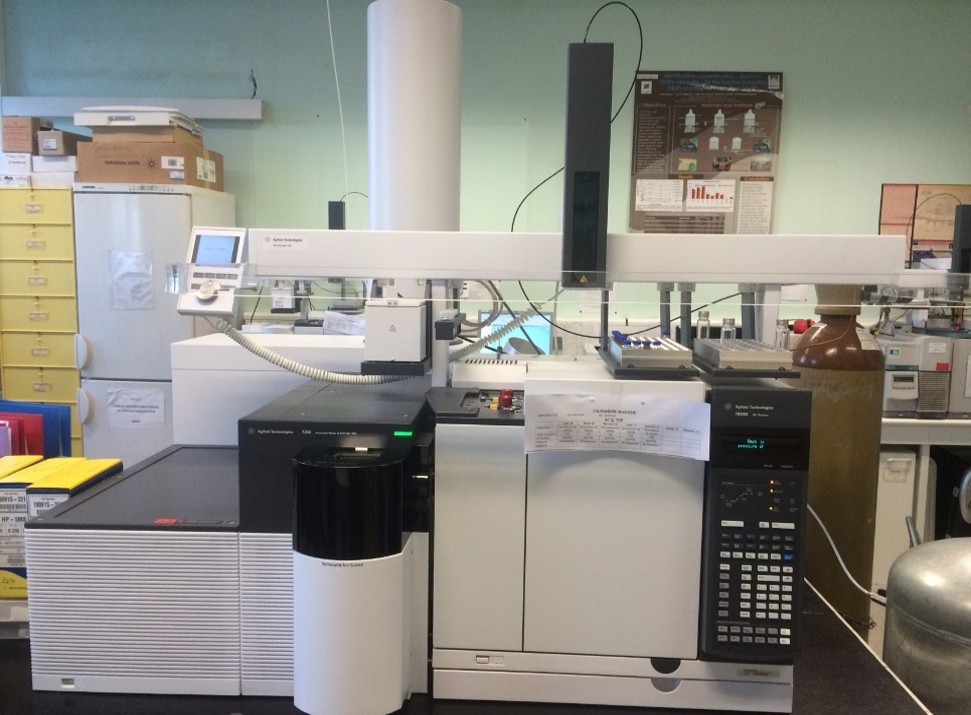
Tandem mass spectrometry (GC-MS/MS, LC-MS/MS).
-
High resolution mass spectrometry (GC-QTOF, LC-QTOF).
-
Sample preparation robots / automated systems.
Use of the analytical tools on the PLATINE platform.
Our achievements
Monitoring organic contaminants by spot sampling
Contracting company : SABOM
Monitoring of micropollutants present in wastewater effluent from the sanitation service in the Bordeaux Metropolitan area.
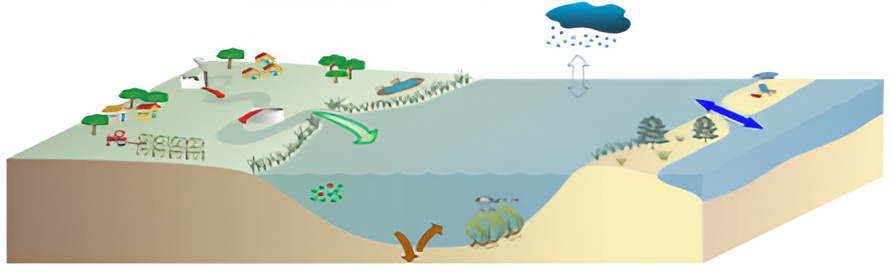
Monitoring pesticides by passive aquatic sampling
Partner : 
Assessment of pesticide contamination in Mediterranean lagoons using exposure to POCIS-type passive samplers.
Personnel involved
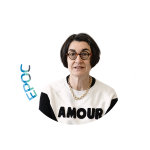
Budzinski Hélène
DRCE, CNRS Scientific leader
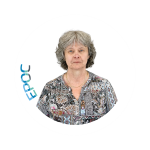
Augagneur Sylvie
IEHC, CNRS Operational leader
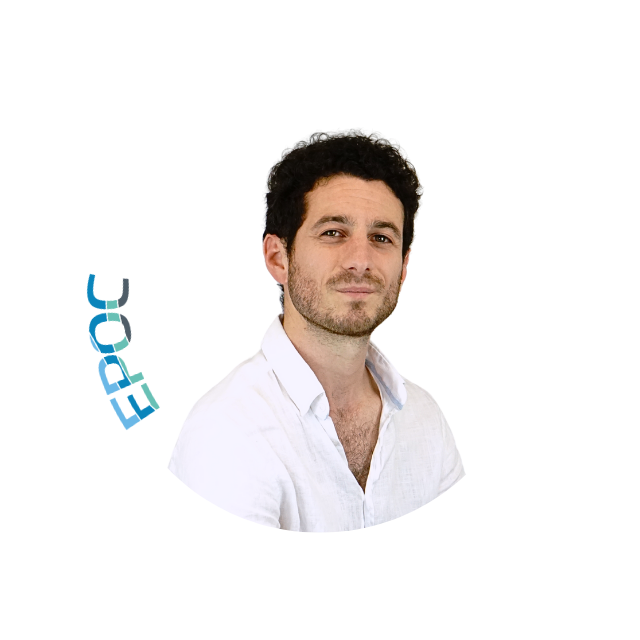
Chazeaubeny Alexis
IE, CDI, ADERA Project manager