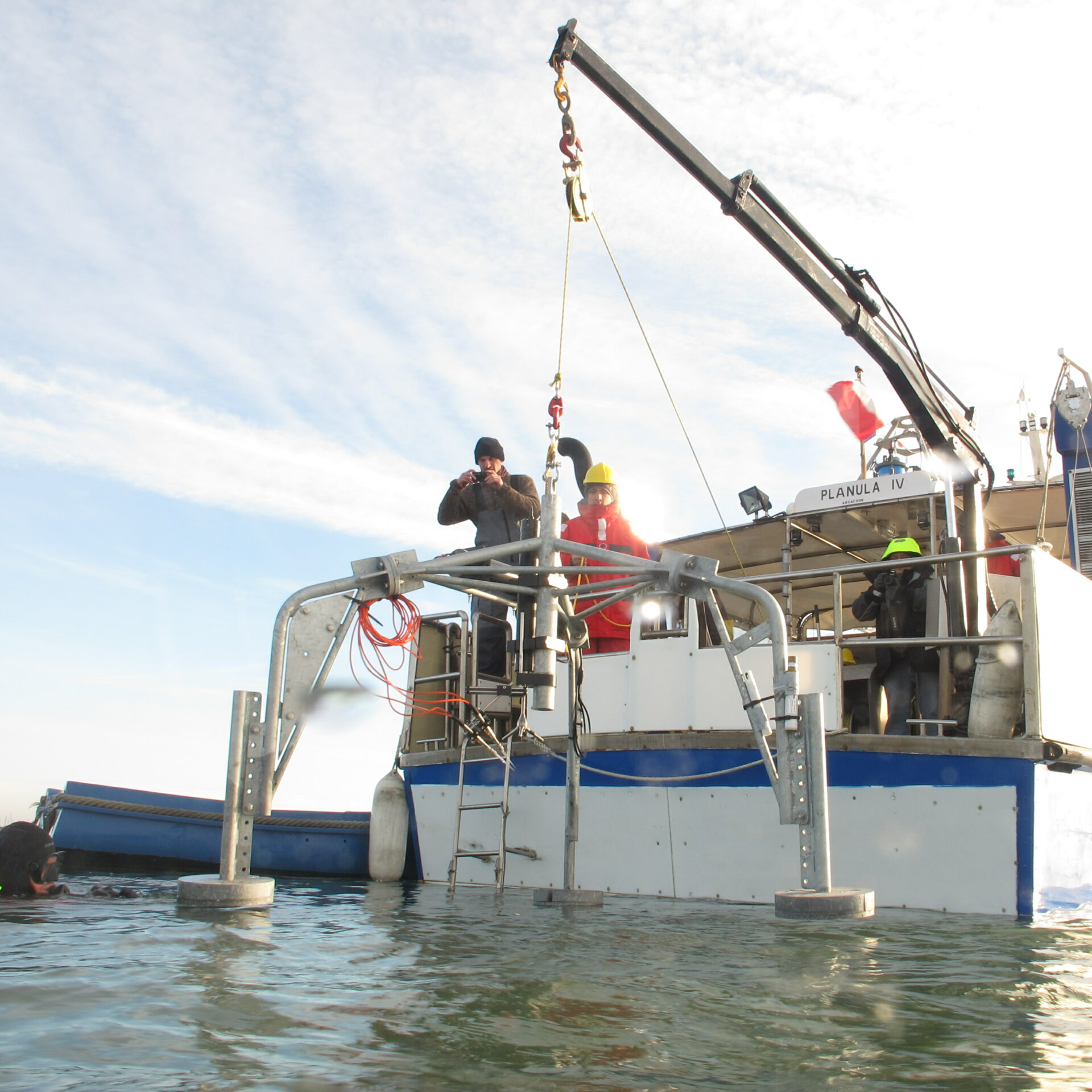
Introducing the team :
Managers : Hugues Blanchet and Florian Delerue
Our research aims to improve the understanding of oceanic ecosystems as well as the continent-ocean and watershed-aquatic ecosystem continuum through the prism of biocenoses (benthic, planktonic, macrophyte vegetation, terrestrial vegetation) and biogenic elements (measurements of biogenic elements – essentially nutrients and organic matter). They are largely based on in situ measurements in order to describe and explain spatial and temporal variations within marine, estuarine and lacustrine aquatic ecosystems, and even alpine or metallicole meadows; but also on in situ and ex situ experimental approaches in order to measure and characterise biotic and abiotic interactions within ecosystems (plant-plant interactions, bioturbation, population-pathogen interactions). This work is made possible by easy access and recognised expertise in various ecosystems in Nouvelle Aquitaine: sandy coasts and dune belts in Aquitaine, coastal lagoons (Arcachon Basin, Hossegor), estuaries and estuary prodelta (Gironde, Bidassoa, Adour), lakes in Aquitaine, etc. right through to alpine meadows and metallicoles).
Research areas and themes
AXIS 1: Biotic interactions within communities
Coordinator : Richard Michalet
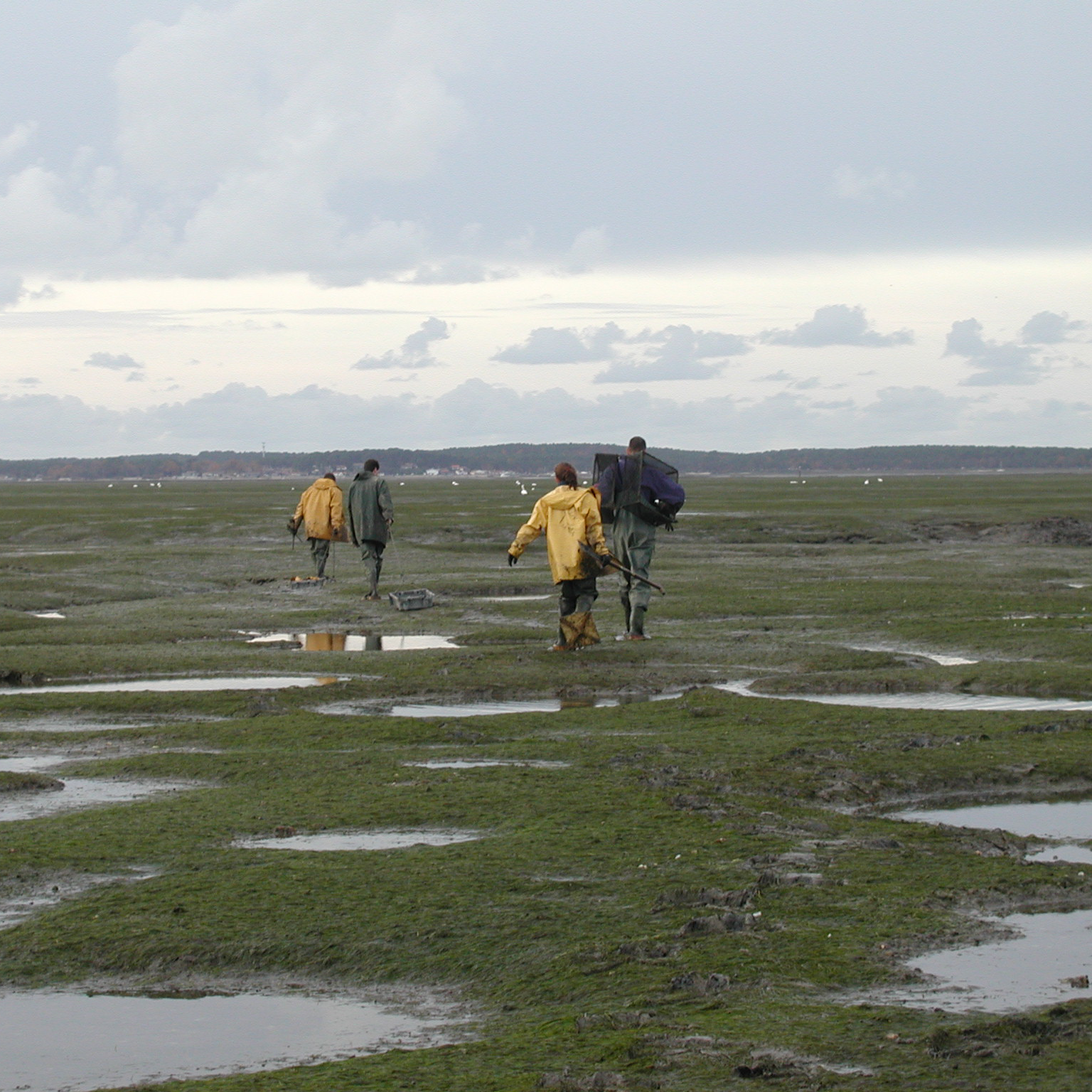
In coastal and continental ecosystems, the study of the relationships between organisms, soils, climate and human activities covers the biotic interactions that contribute to the evolution of ecosystems. In this context, long-lasting and diffuse interactions are being studied with, on one hand, a plant-plant interaction approach (ANR SIX-P) focusing on the role of facilitation as a process determining community diversity and, on the other hand, a host-symbiont interaction approach with, more specifically, expertise centred on the mollusc/trematode model (COCKLES) where an exploratory molecular approach based on the notion of environmental DNA is being developed.
AXIS 2: Diversity, structure and functioning of communities and ecosystems
Coordinators : Yolanda Del Amo and Aurélie Ciutat
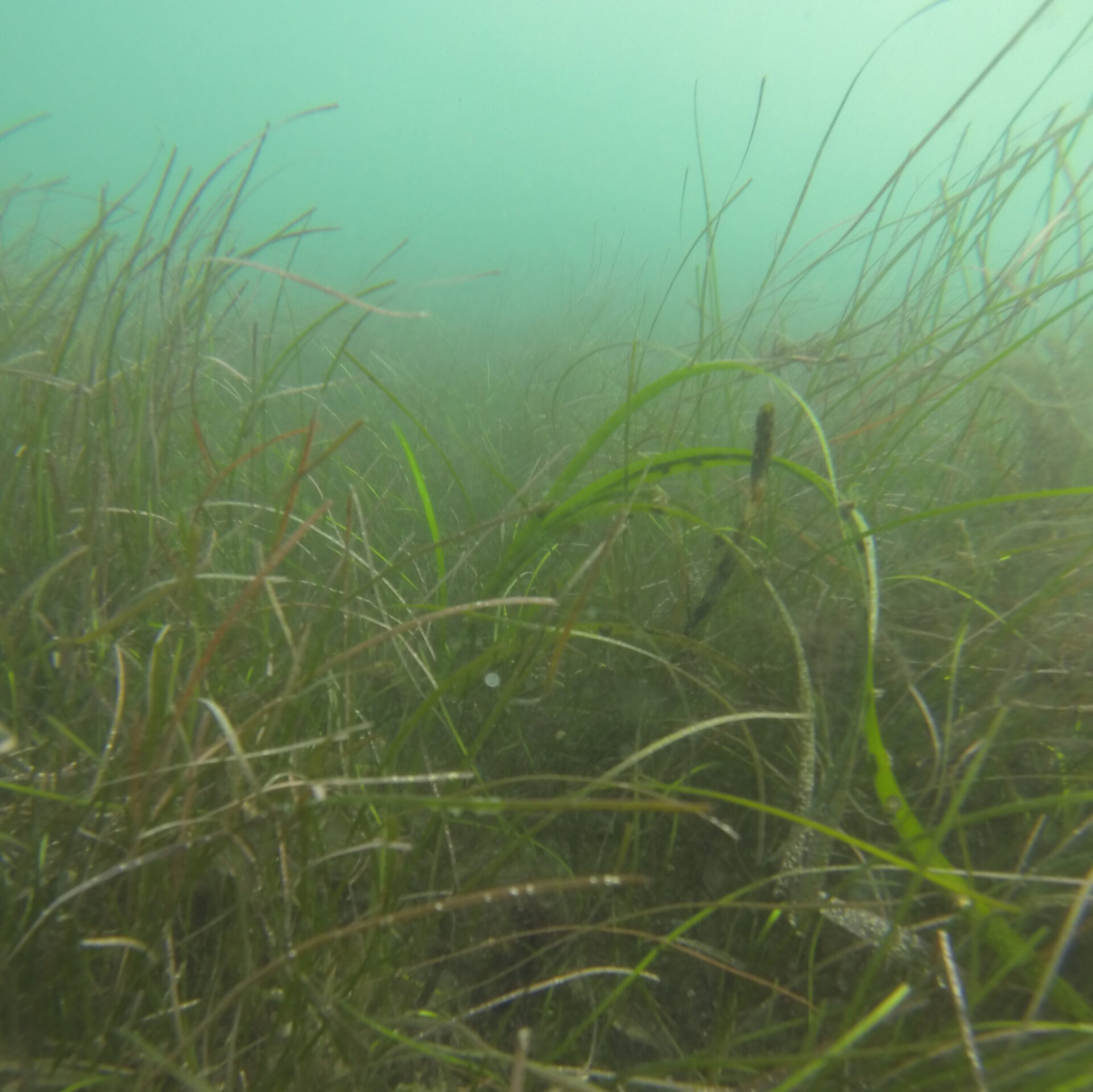
This axis focuses on the diversity of natural communities in ecosystems in order to (1) understand the relationships between community structure and the ecological and biogeochemical functioning of ecosystems (BIOTURB project, LIMBENBA, FutureOBS, FEUILLE), (2) highlight the recent trajectories of communities subjected to various constraints (climate, introduction of species, human activities) (CARTOBENTH, BENTHOBS), (3) identify markers of ecosystem functioning and propose ecological status indicators to support managers (EVOLECO-BEST, DCE DCSMM) and (4) document biodiversity in detail by describing new species (SPAGHETTI PROJECT, CIRCATAX).
AXIS 3: Material flows and balances at ecosystem level
Coordinators : Nicolas Savoye and Pierre Anschutz
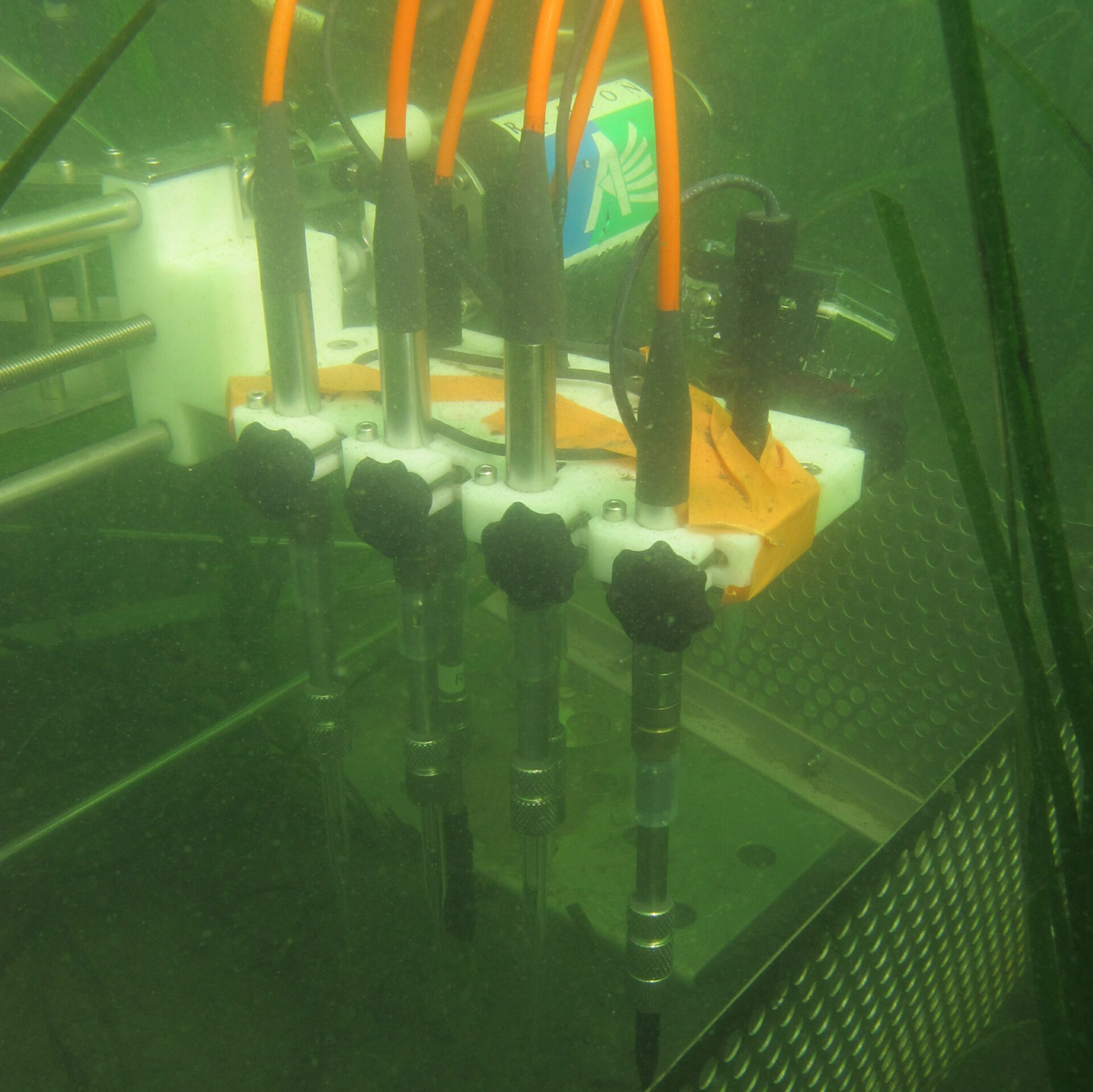
Biogeochemical flows and processes in relation to environmental and anthropogenic forcings and in interaction with living organisms along the aquatic continuum or one of its links (groundwater, head of catchment basins, rivers, lakes, temporary pools, estuaries, coastal environments) are the subject of several projects coordinated by members of the ECOBIOC team. Each project focuses on a particular ecosystem, such as a mudflat off the Gironde (MAGMA, RIOMAR), the lakes of Aquitaine and their catchment areas (REZIN, VigieLacs, RESTAUR, FeNICs) or a range of ecosystems, in particular the entire French coastline (EVOLECO-BEST, SOMLIT, CABESTAN).